
Kiteboarding and Climate Change
(3-minute read)
Colorado’s traditional four-month snowkiting season on Lake Dillon only lasted two months this year. It started late, and now it has just ended in mid-March — before the time of year we typically consider to be peak winter here in the high Rockies. Decent snowfall this year may have temporarily quelled ski resorts’ hand-wringing about shortening seasons . . . however, decent snowfall on an exposed frozen lake couldn’t withstand this year’s record-setting winter heat.
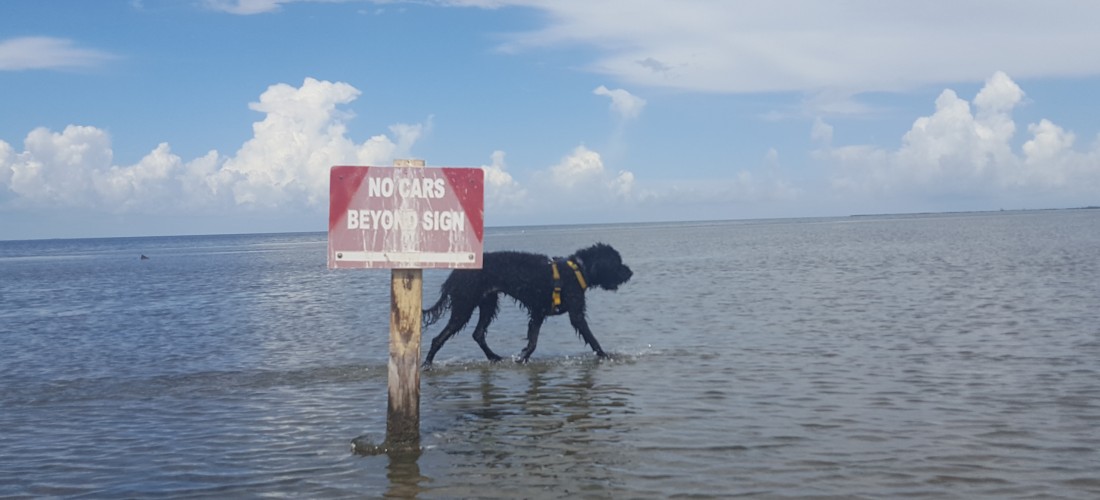
This news is troubling enough for Colorado kiters. But a few months ago, I was dismayed to also discover that the kiteboarding mecca of South Padre Island, Texas (frequented by Colorado kiters, as it’s our closest ocean), is in decline due to rising sea levels and shifting wind patterns. In the five years since my last visit there, the northwestern Gulf of Mexico sea level has risen approximately 2.5 inches. On flat-gradient tidal flats of the Laguna Madre, that translates to the barrier island’s coastline creeping some 50 feet further inland.
Soundside beaches where kiters used to park cars are now under water. Disconnected fingers of dry land can only be reached by driving through corrosive water three times the ocean’s salinity. Historically, many dozens of kiters concentrated on a single expansive beach . . . where a solo kiter on vacation (like myself) could easily make friends, and there were plenty of people to launch and land kites. Now, the scarcity of dry land between the dunes and the water forces kiters to disperse into small clusters, strung out along several miles of coast. It’s a quieter, more cliquish experience. There’s no longer any way to even figure out who’s on the island or serendipitously run into old kiting acquaintances.
In addition to the higher water line, wind patterns have also shifted meaningfully. Data show that the peak fall and spring windy seasons each occur about one month later than they used to be. However, not all visitors know this, nor are able to adjust their annual pilgrimage schedule. More kiters are getting skunked more often. They return home with a bad impression of the site conditions and spread word quickly through the interconnected kite community.
As a result, kiteboard visitor volumes on the island are way down. After all, there are plenty of other cool places in the world to kite, and one of the main selling points of South Padre Island appears to be gone for good. As marketing professionals well know, a tiny change in product features can cause a huge falloff in demand when there are many competing products to choose from.
Indeed, the island’s two kite shops acutely feel the economic pinch. New beach access fees aim to replace lost revenue, but there just doesn’t seem to be enough livelihood to go around anymore. Fewer kiting instructors can subsist in town. Economic stress brings out the worst aspects of human nature . . . including the competing kite shops vandalizing one another this fall in a turf war.
The South Padre Island situation is but one example of the mechanism by which rising seas and changing weather patterns are likely to cause not only environmental damage but also social disruption. The direct consequences of climate change include more frequent and intense storms, floods, and droughts. Those phenomena are already causing wildlife habitat loss, species extinction, lower crop yields, and expanded disease transmission around the world. But then there are the indirect consequences — the unanticipated butterfly effects on commercial activity and human social interaction. As we have been amply warned, climate instability eventually leads to economic, political, and social instability.
The US military long ago concluded that anthropogenic climate change constitutes a national security risk. The new Secretary of Defense – despite being an appointee of our Science-Denier-in-Chief – has unequivocally reiterated this precautionary position to the Senate Armed Services Committee and to the public. That warrants hope for political change about climate change. Sadly, it’s unlikely that South Padre Island and Lake Dillon will bounce back as the renowned kiting destinations they once were . . . but we can hope that our leaders will take decisive action to slow the damage elsewhere.
– March 2017